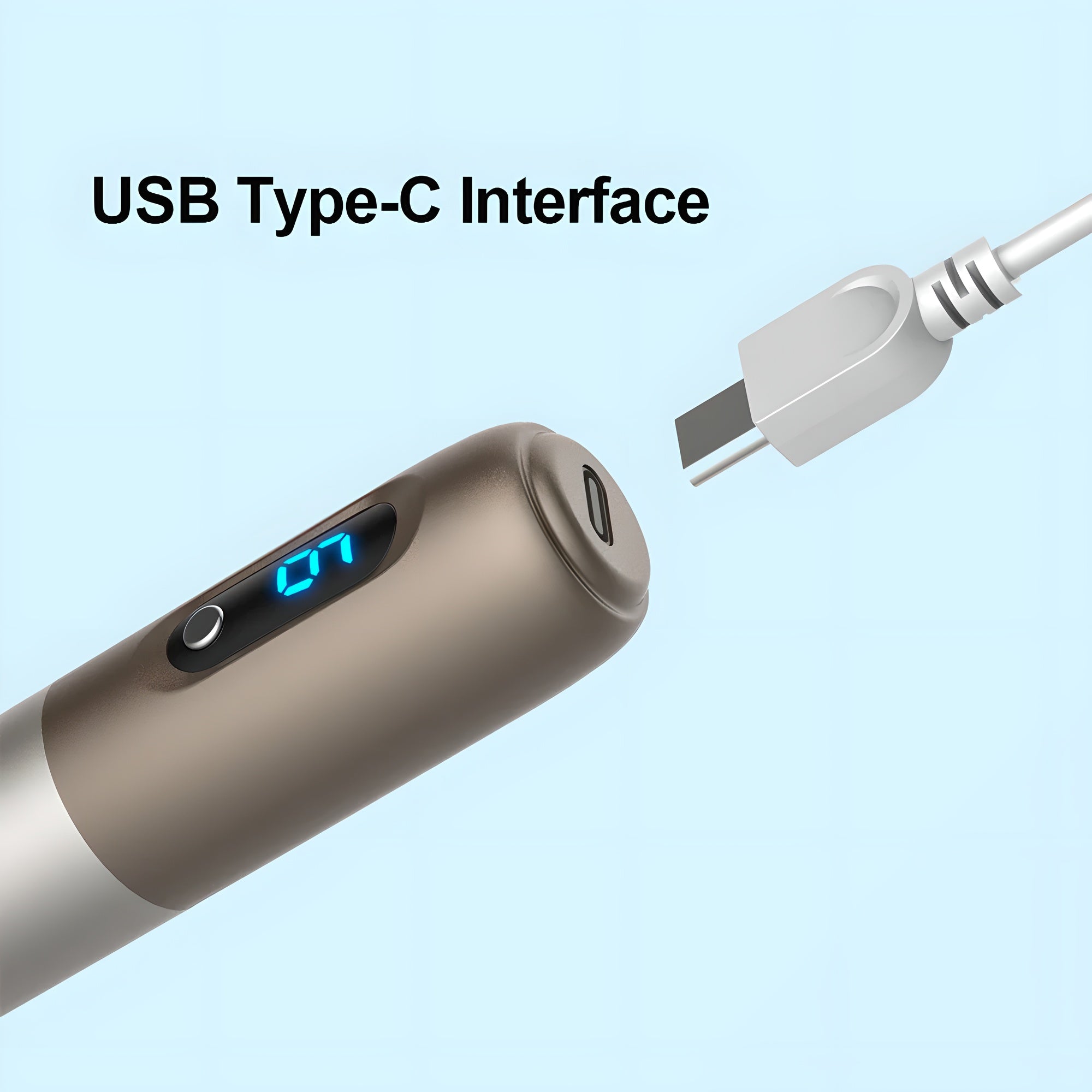
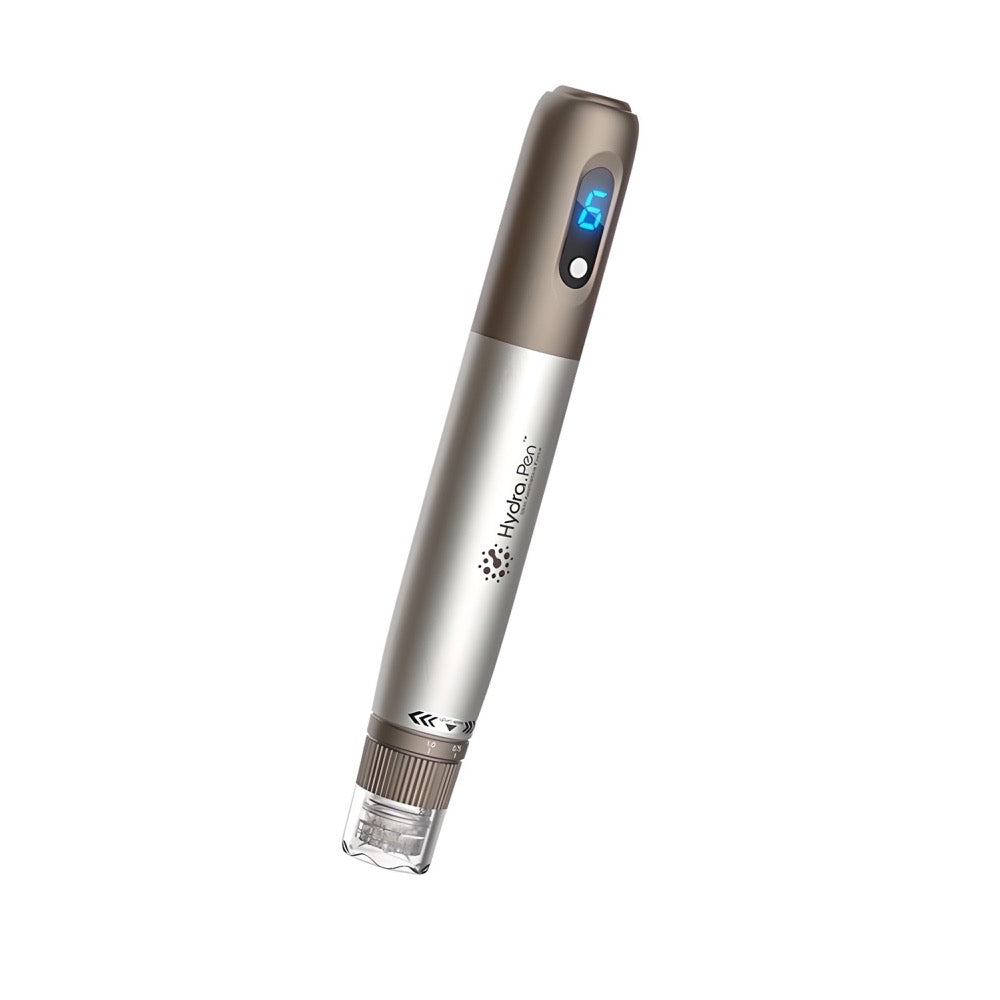
 control interface
Automatic serum-flow format
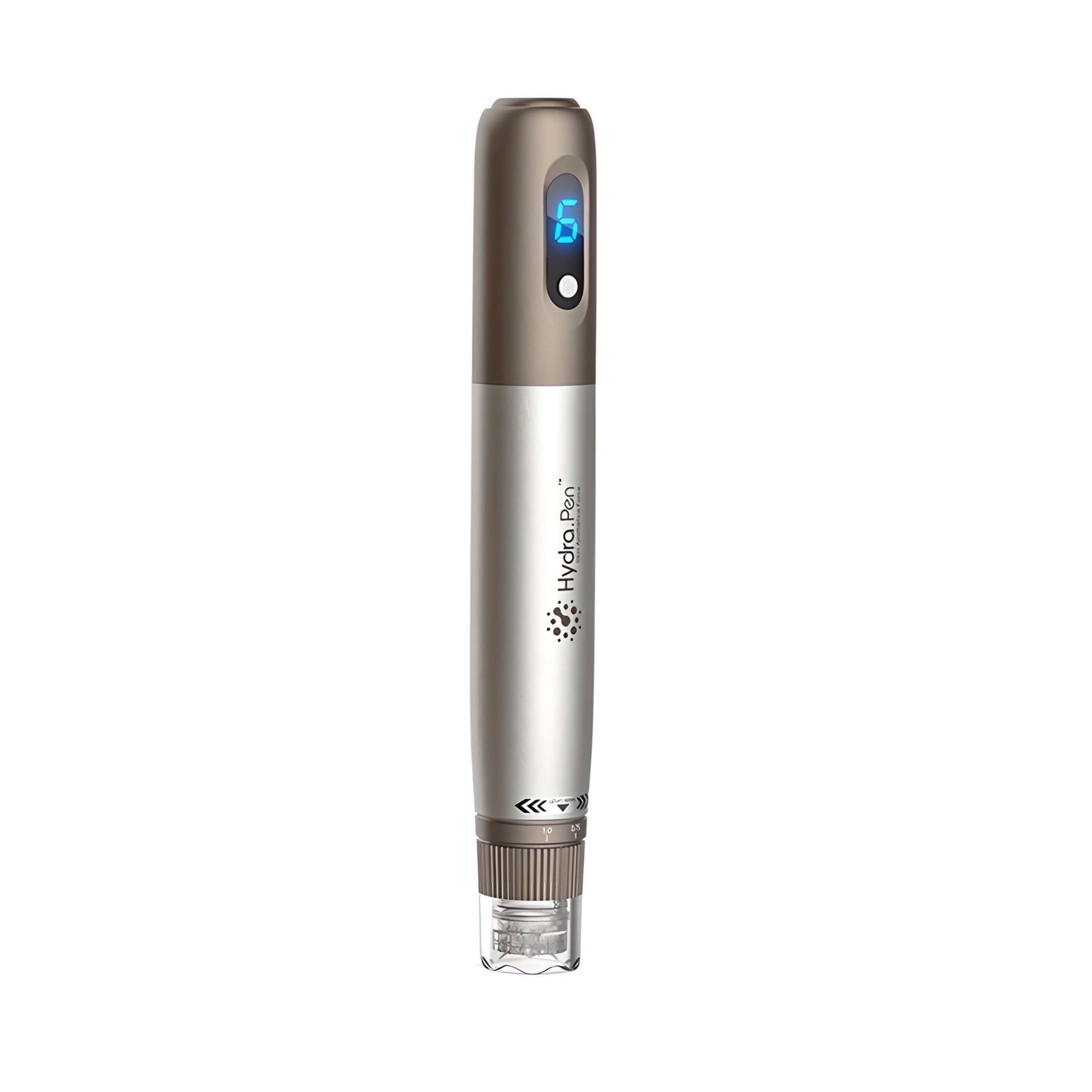
Powered microneedling and serum handling are combined in one H3 device workflow.

Product decision bridge
Best for serum-infusion handling and H3/H5 cartridge planning before comparing H3 with H5 or standard Dr. Pen devices.
Clarify buying terms · Map user demand · Choose a model path · Match cartridges · Check home boundary · Compare device variables · Check cartridges
Sales tax calculated at checkout.
Use only a cartridge confirmed for this exact model. Check that the sterile seal and cartridge are intact, use it once, and dispose of it according to local sharps guidance. Do not use a damaged, opened, or uncertain cartridge.
Verified device facts
Liquid compatibility, exact settings, cartridge compatibility, runtime and current package contents are verified separately.
Delivery & protection
Control 02
control interfacePowered microneedling and serum handling are combined in one H3 device workflow.
 powered base workflow
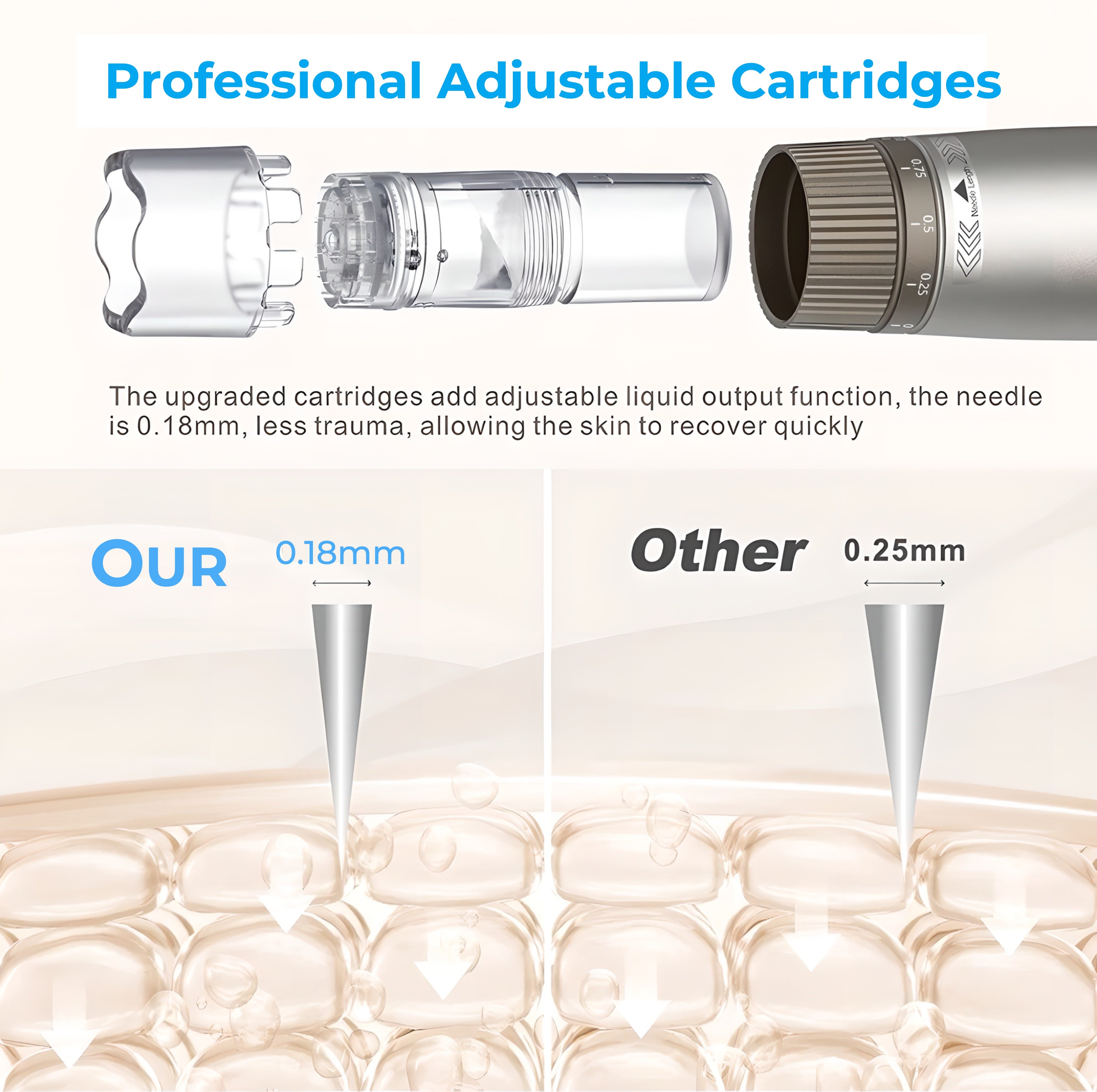
Uses the dedicated Hydra Pen H3/H5 cartridge family for a clearly defined replacement path.
 cartridge interface
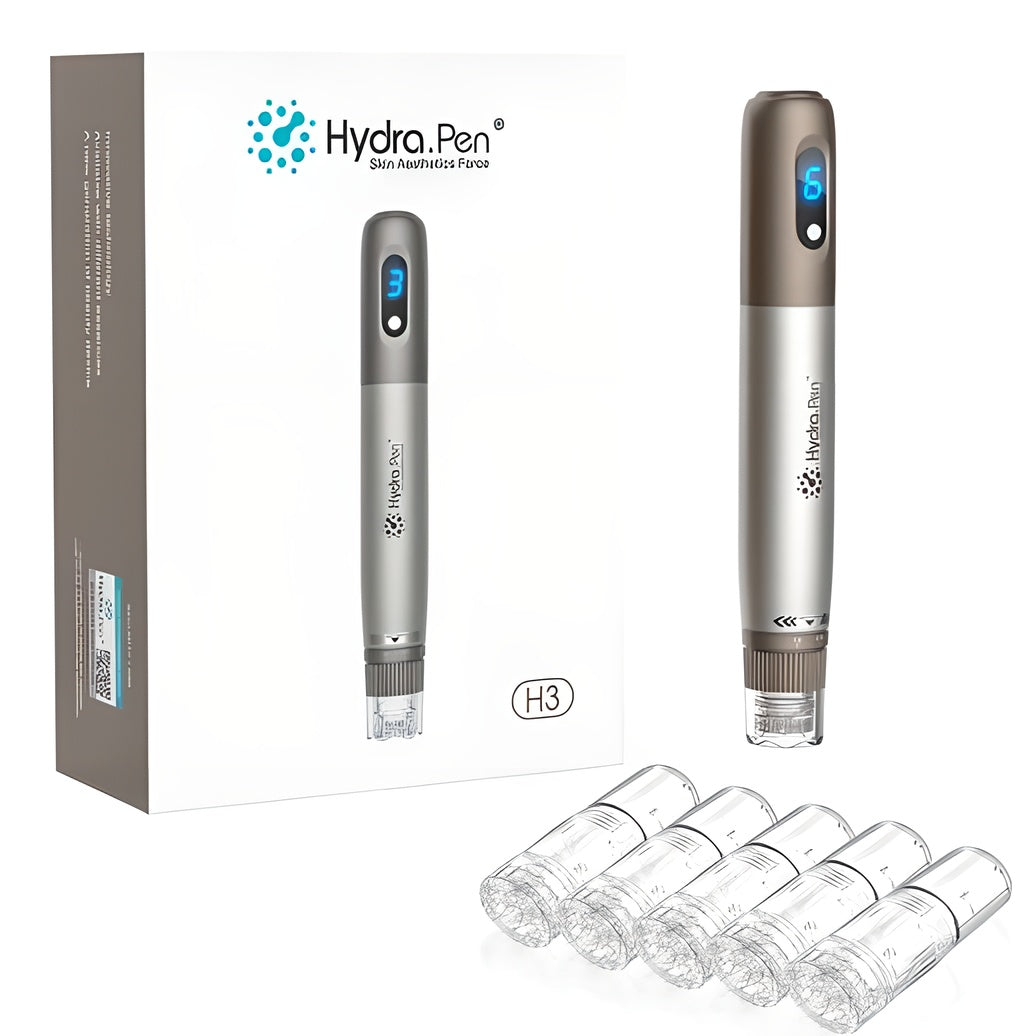
Charger, USB cable, instruction manual, travel case, and two compatible cartridges are included.
Contents 03
6 line items · 2 cartridges
Use only sealed, compatible H3/H5 cartridges. Single-use only.
Evidence 04
H3 control interfaceH3 combines powered microneedling and serum handling in one device format.
device workflowDedicated compatibility separates the Hydra Pen path from standard Dr. Pen cartridges.
cartridge interfaceTwo cartridges, charger, USB cable, manual, and travel case are included.
Decide 05
Use only compatible Hydra Pen H3/H5 cartridges.
Explore our cartridge guide to learn more about needle types and uses.
Product decision bridge
Review Hydra Pen H3 Automatic Microneedling + Serum Pen together with its product details below to confirm product fit, compatible options, use boundary, and support before purchase.
Clarify buying terms · Map user demand · Choose a model path · Match cartridges · Plan pack size and reorders · Check home boundary · Compare device variables · Check cartridges
Guidance 06
Open a topic to review product fit, compatibility, use boundaries, and supporting product information.
Hydra Pen H3 Automatic Microneedling + Serum Pen is a Hydra Pen device for buyers comparing automatic serum-infusion handling, H3/H5 cartridge compatibility, and a simpler serum-support routine.
H3 suits buyers who want an automatic microneedling and serum-flow device path and need to compare it with H5, standard Dr. Pen pens, and manual Hydra Needle stamps.
The common unmet need is separating serum-flow devices from standard cartridge microneedling pens and manual stamps. H3 has its own H3/H5 cartridge family and handling path.
H3 uses the Hydra Pen H3/H5 cartridge listing. The current listing shows 12 Pin, 24 Pin, 36 Pin, Nano Round, and Nano W options. Confirm H3 compatibility before ordering replacements.
The current kit inventory is listed below. For technical details not listed here, such as reservoir capacity or cartridge-specific depth, check the exact-model instructions and selected cartridge packaging before purchase.
The current package includes 1 × Dr. Pen Hydra H3 Serum microneedling pen; 2 × cartridges for Dr. Pen Hydra H3; 1 × US charger adapter; 1 × USB charger cable; 1 × instruction manual; and 1 × travel case. Replacement cartridges are sold separately.
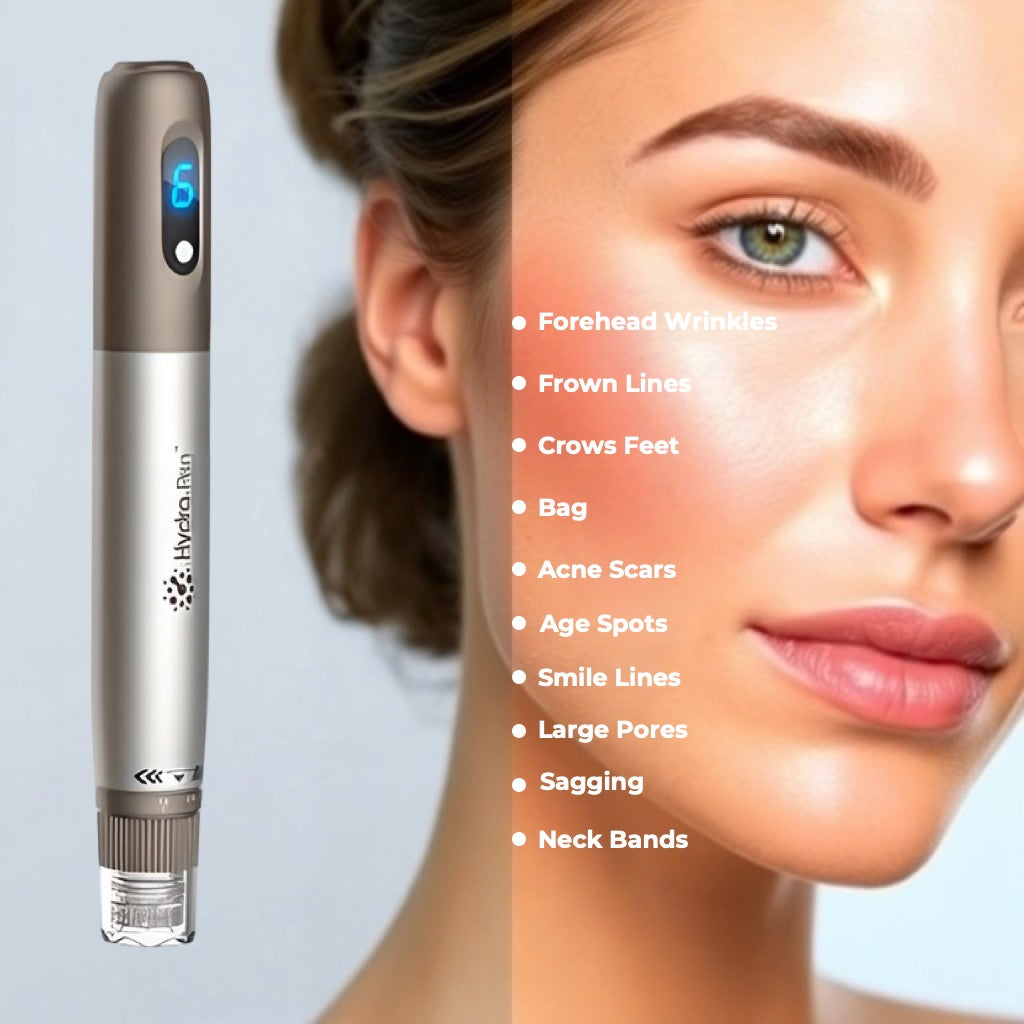
This page is product-selection guidance, not diagnosis or a promise of skin outcomes. Use a fresh compatible cartridge, do not reuse cartridges, and follow the product instructions. Avoid use on active acne, infection, irritated skin, open wounds, keloid-prone skin, or uncertain skin conditions. For medication concerns, pregnancy concerns, severe scarring, or uncertainty about device use, ask a licensed professional before choosing a routine.
Buying clarification map · Microneedling decision map · Audit standards · FAQ
Reviews / 07
Real people. Real routines. A more confident you.
Hydra Pen H3 Automatic Microneedling + Serum Pen

View the H3 device and cartridge format. A demonstration does not establish suitability for your skin or validate a serum-device combination. Check the exact-model instructions before use.
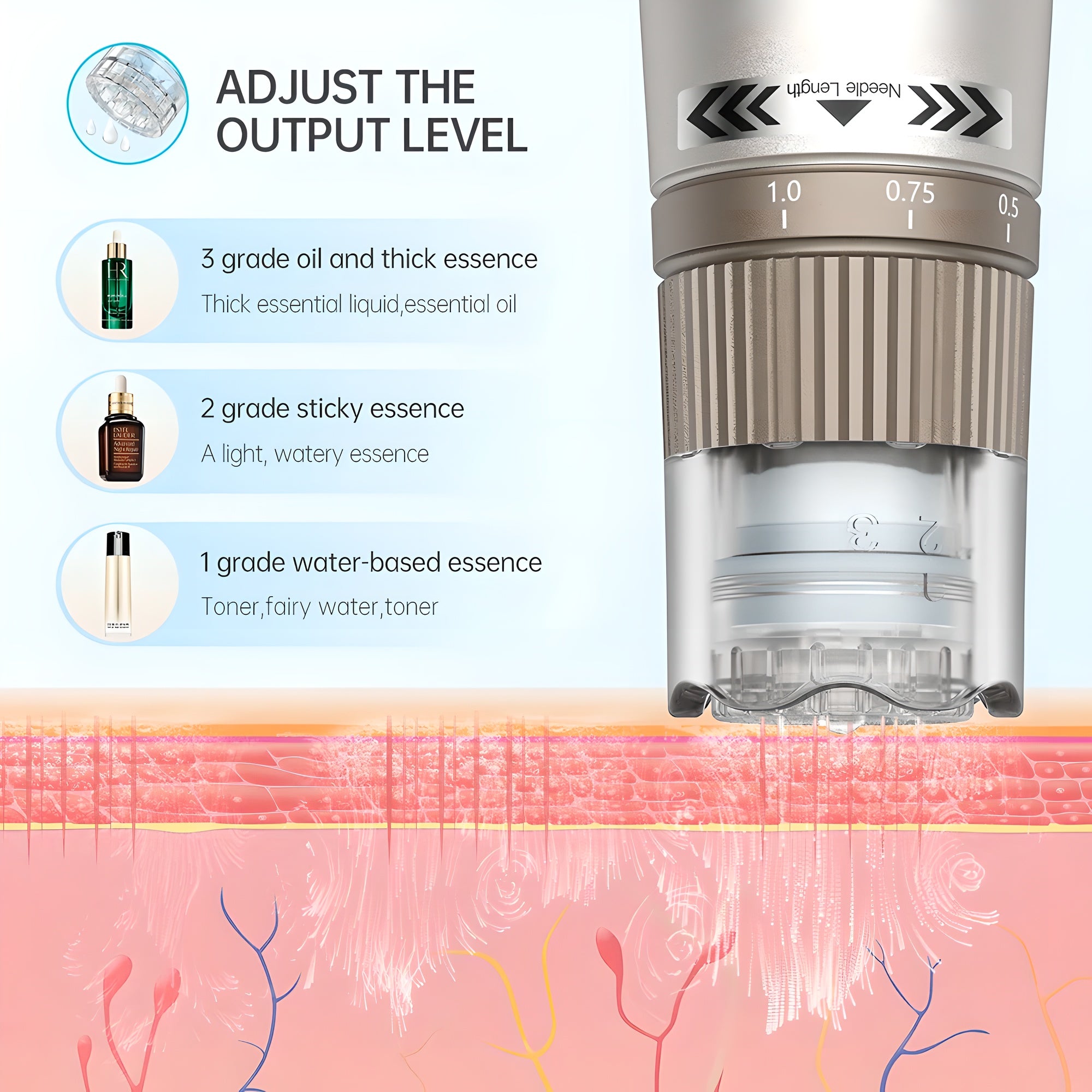
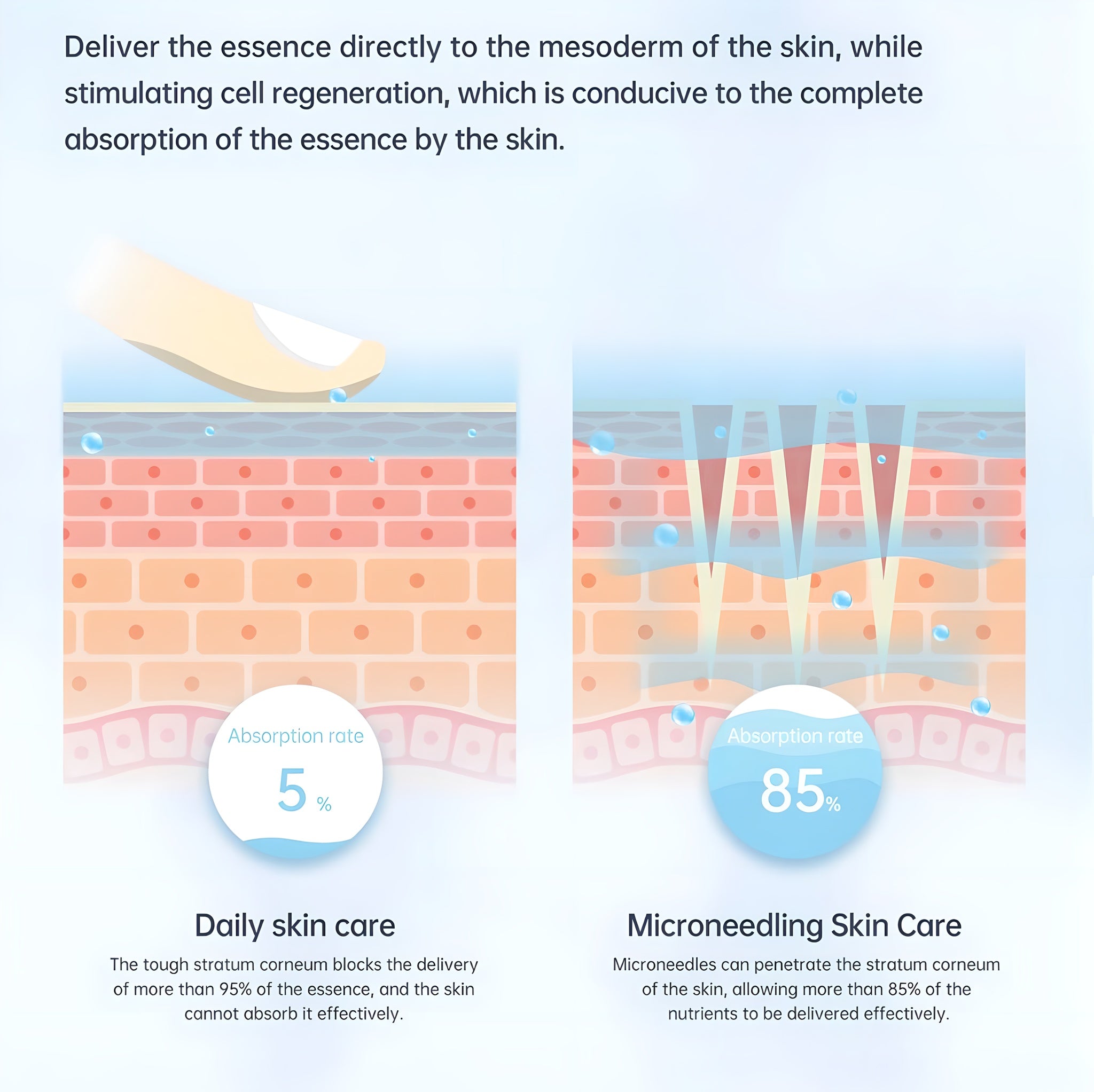
The H3 uses a reservoir-style cartridge rather than the standard Dr. Pen cartridge format. Confirm H3 compatibility before ordering replacements. A reservoir is not evidence of improved absorption or clinical benefit. The FDA explains that microneedling devices are not approved to deliver cosmetics or topical medications into the skin.

Use only a cartridge confirmed for this exact model. Check that the sterile seal and cartridge are intact, use it once, and dispose of it according to local sharps guidance. Do not use a damaged, opened, or uncertain cartridge.
Check the exact H3 cartridge model, intact packaging, and the assembly instructions supplied with your device. Do not force an uncertain or damaged connection.
Do not choose a liquid solely because it is thin or labeled hyaluronic acid. This listing does not establish that any cosmetic serum is suitable for delivery into skin. Discuss the intended combination with a qualified healthcare professional.
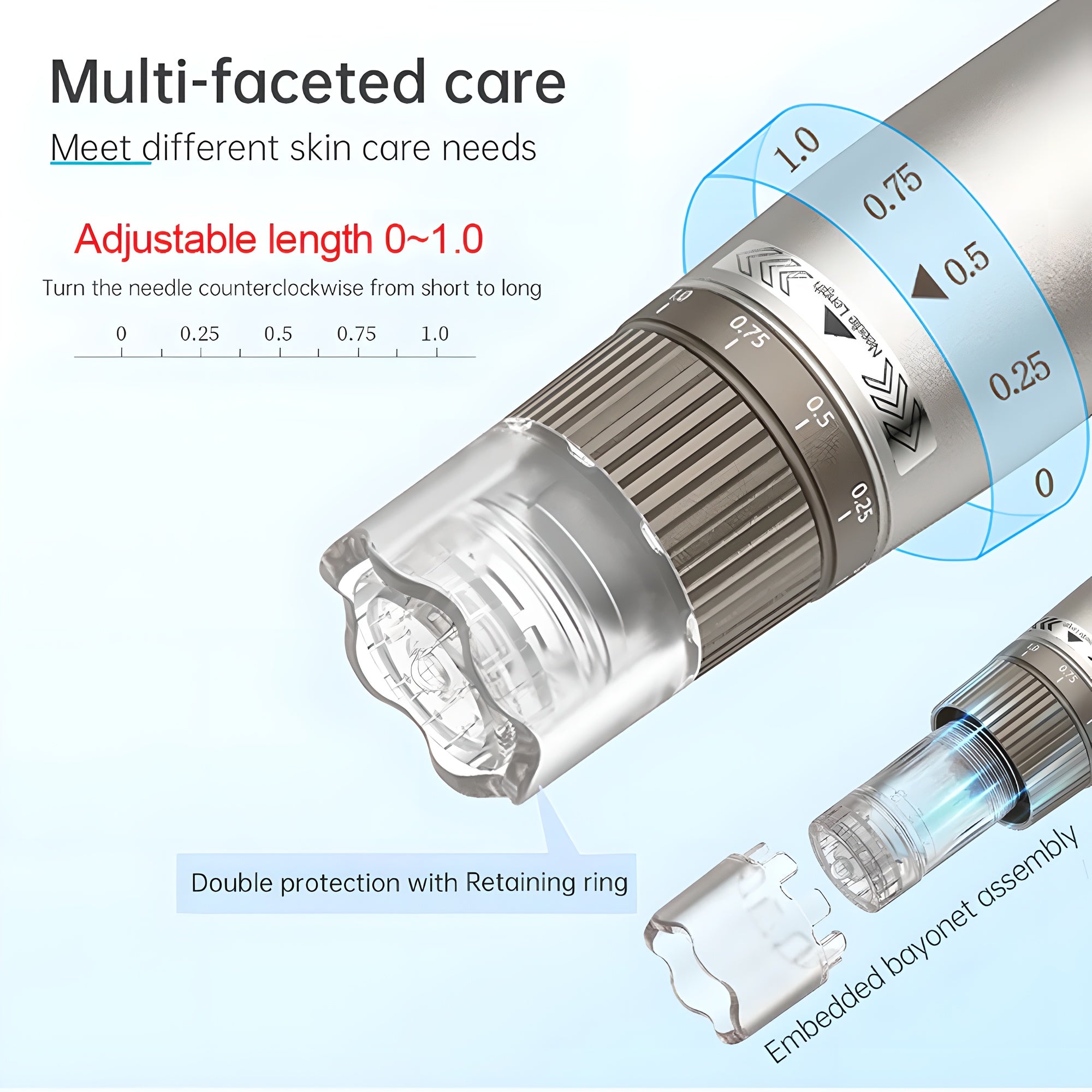
A product comparison is not a treatment protocol. Do not select a depth or technique from promotional demonstrations. Refer to the exact-model instructions and seek professional advice about suitability and risks.
Do not reuse or share a microneedling cartridge. Discard a used cartridge and any remaining liquid; follow the product instructions and local sharps-disposal guidance.
| Parameter | Specification |
|---|---|
Use and safety boundary |
This product is intended for cosmetic-use comparison, not diagnosis or treatment. Suitability depends on current skin condition, hygiene capability, manual control, and risk tolerance. Stop if the skin response is unexpected and seek qualified professional guidance when the appropriate setting or use remains unclear. |
Sterilization Protocol |
EO (Ethylene Oxide) Gas Sterilization |
Cartridge format |
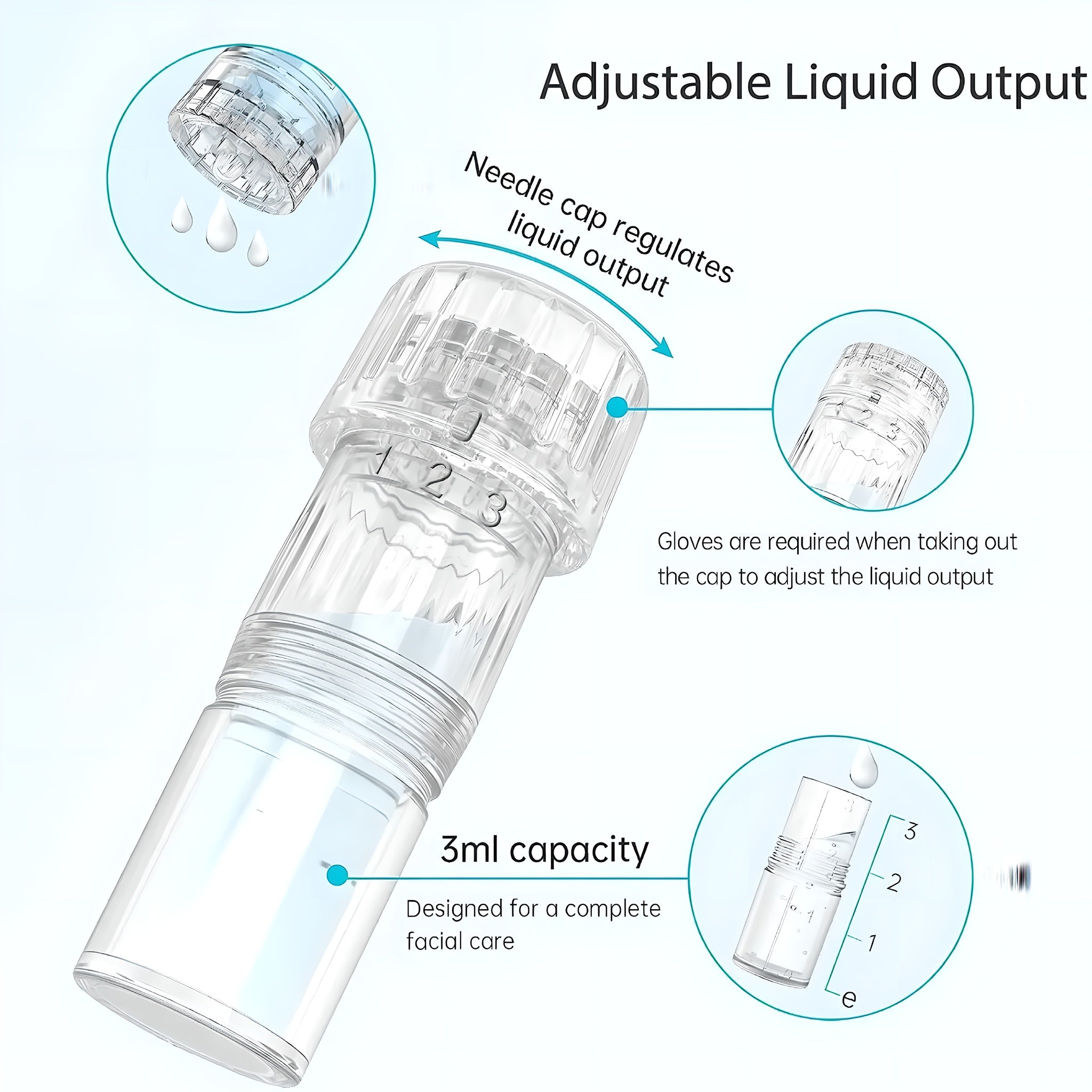
H3-compatible reservoir-style cartridge |
Cartridge Capacity |
3ml Built-in Liquid Chamber |
Display |
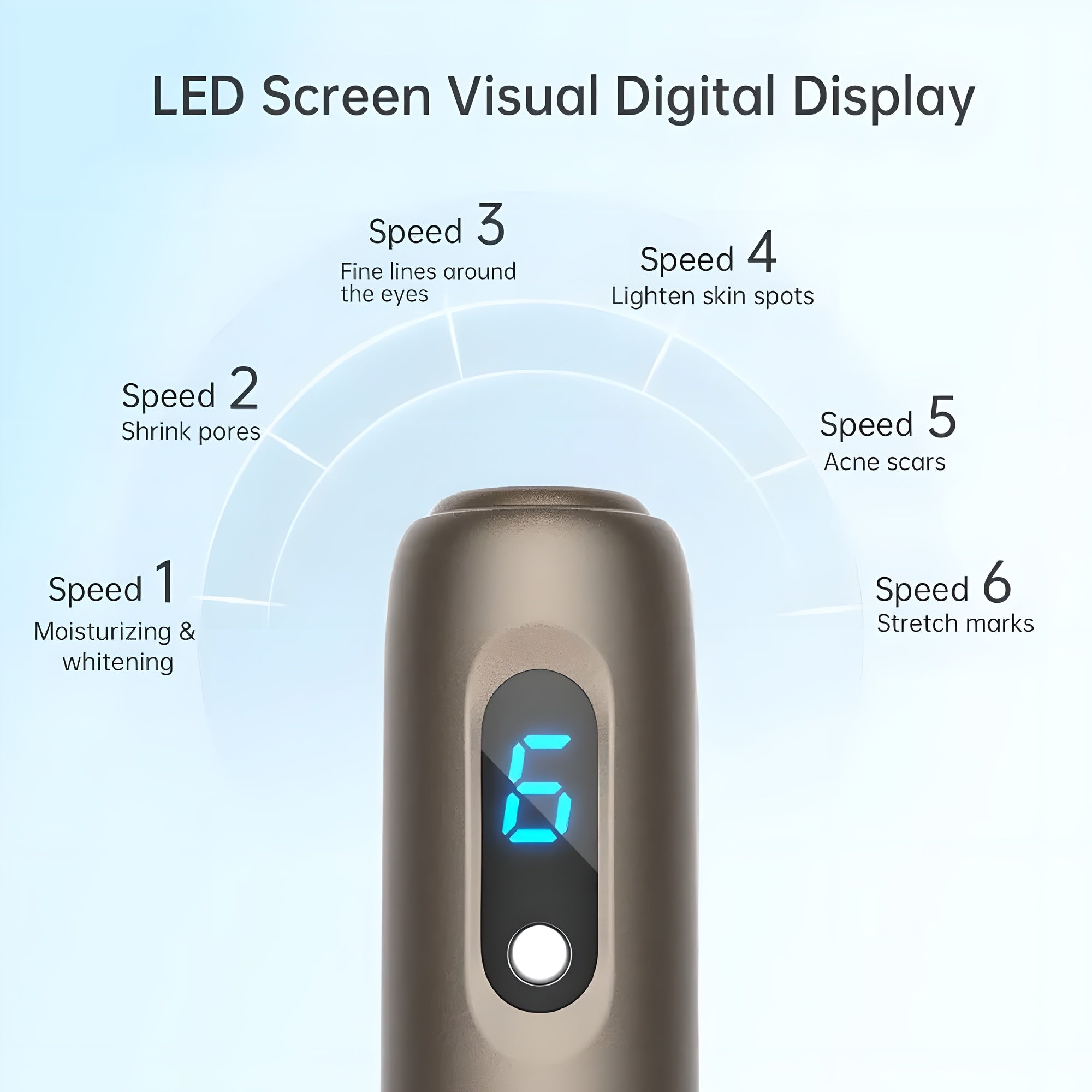
LED Digital Speed Control |
✈️ Free Global Shipping
🛡️ 1-Year Warranty
Please read our FAQs page to find out more.
A: The H3 uses a reservoir-style cartridge. Standard Dr. Pen devices use a different cartridge format. Compare the exact model and replacement-cartridge family; the reservoir does not establish better absorption or treatment results.
A: This page does not recommend a serum for delivery into skin. Low viscosity, hyaluronic acid, or peptide labeling alone does not establish suitability. Ask a qualified healthcare professional about the intended combination and follow the exact-model instructions.
A: No. Do not store a used cartridge or its remaining liquid for another session. Use a new compatible cartridge for each session and do not share it.
A: Do not assume the cartridge is leak-proof in every position. Follow the storage and assembly instructions. If leakage occurs, stop using that cartridge and contact support with the exact model and cartridge details.
A: Check the depth information on the exact H3-compatible cartridge packaging and instructions. Do not infer H3 specifications from H5 or other Dr. Pen models. A stated depth is not a recommendation for a particular skin concern.
A: This listing does not provide comparative pain-study evidence for H3. Do not assume that a reservoir makes microneedling painless or less painful. Discuss expected discomfort and risks with a qualified healthcare professional.