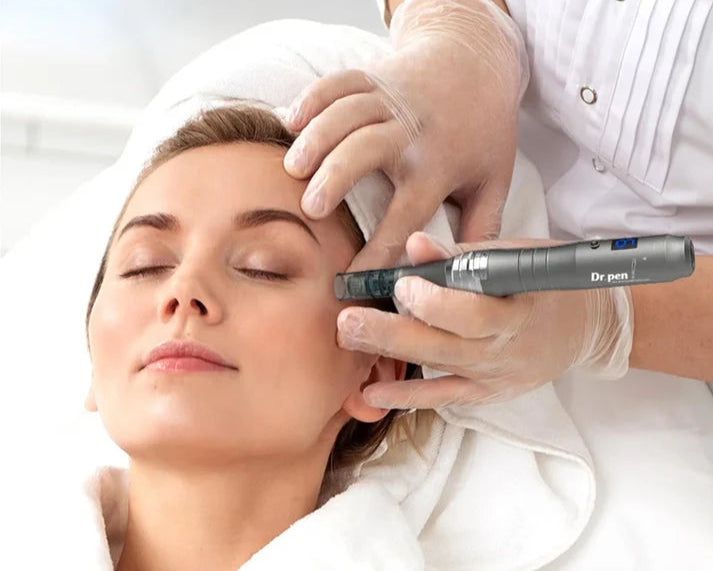
Microneedling, a popular skincare procedure, involves using a device equipped with tiny needles to create controlled micro-injuries on the skin's surface. This process stimulates the body's natural healing response, promoting collagen production and skin rejuvenation. One of the critical aspects of microneedling is selecting the appropriate needle length for your specific needs and skin type. Using the wrong needle length can lead to ineffective treatments or, worse, skin damage. In this comprehensive guide, we will delve into the factors you should consider when choosing the right needle length for your microneedling pen.

Understanding Needle Lengths
Microneedling pens typically come with interchangeable needle cartridges, each featuring varying needle lengths. These lengths are usually measured in millimeters (mm) and can range from 0.25mm to 3.0mm or even longer. The choice of needle length depends on several factors, including your skin concern, skin type, and the area of treatment.
0.25mm to 0.5mm Needles: These are considered the shortest and are ideal for superficial skin concerns such as improving product absorption, enhancing skin texture, and addressing minor skin imperfections. They are suitable for at-home microneedling devices as they pose minimal risk and can be used more frequently.
0.75mm to 1.0mm Needles: This range is effective for treating mild to moderate skin issues like fine lines, mild scarring, and pigmentation. While still relatively safe for home use, it's advisable to consult a dermatologist or skincare professional before using these lengths, especially if you're new to microneedling.
1.5mm to 2.0mm Needles: These needle lengths are best suited for addressing deeper skin concerns such as moderate acne scars, stretch marks, and deeper wrinkles. Due to their potential to penetrate deeper into the skin, these should be used by professionals or under professional guidance to avoid complications.
2.5mm to 3.0mm Needles: The longest needles available, they are primarily used for treating severe skin conditions like deep scars, severe wrinkles, and advanced skin rejuvenation. These lengths should only be used by trained professionals in a clinical setting.
Factors to Consider When Choosing Needle Length
Skin Concern:
For anti-aging purposes like reducing fine lines and improving skin texture, shorter needles (0.25mm to 1.0mm) are usually sufficient.
To address acne scars, stretch marks, or deeper wrinkles, longer needles (1.5mm to 3.0mm) may be necessary to reach the dermis where collagen and elastin fibers are located.
Skin Type:
Sensitive Skin: If you have sensitive skin, it's best to start with shorter needles (0.25mm to 0.5mm) to assess your skin's reaction and minimize the risk of irritation.
Normal to Thick Skin: Those with normal to thick skin can tolerate longer needles better and may benefit from using 0.75mm to 2.0mm needles depending on their skin concerns.
Area of Treatment:
Face: The facial skin is more delicate, so shorter needles (0.25mm to 1.5mm) are typically used. The exception might be for treating deeper nasolabial folds or severe scars, where a professional might use longer needles.
Body: For areas like the abdomen, thighs, or buttocks where the skin is thicker, longer needles (1.5mm to 3.0mm) can be more effective for treating stretch marks or cellulite.
Experience and Training:
Beginners: If you're new to microneedling, it's wise to start with the shortest needles and gradually work your way up as you become more comfortable with the process.
Professionals: Trained professionals can safely use longer needles to address more severe skin concerns, ensuring proper technique and sanitation practices are followed.
Frequency of Treatment:
Short Needles: Treatments with shorter needles can be done more frequently, often weekly or bi-weekly, as they cause minimal disruption to the skin.
Long Needles: Treatments using longer needles require more healing time and should be spaced out further, typically every 4-6 weeks, to allow the skin to recover fully.
Safety Precautions
Regardless of the needle length chosen, safety should always be a top priority when performing microneedling. Here are some essential safety tips:
Sterilization: Ensure that both the microneedling pen and the needle cartridges are thoroughly sterilized before each use to prevent infections.
Numbing Cream: For treatments involving longer needles, consider using a topical numbing cream to minimize discomfort.
Skin Preparation: Cleanse the skin thoroughly and avoid using active skincare products like retinoids or acids for a few days before and after the treatment to prevent irritation.
Aftercare: Follow a gentle skincare routine post-treatment, avoiding harsh products and sun exposure, and use a broad-spectrum SPF to protect the skin.
Consultation with a Professional
While at-home microneedling devices are available, it's crucial to understand the limits of self-treatment. For more significant skin concerns or if you're unsure about which needle length to use, consulting a dermatologist or a certified skincare professional is advisable. They can assess your skin, discuss your goals, and develop a personalized treatment plan that ensures safety and efficacy.
Conclusion
Choosing the right needle length for your microneedling pen is a delicate balance between addressing your specific skin concerns and ensuring safety. By considering factors such as skin concern, skin type, area of treatment, experience level, and treatment frequency, you can make an informed decision that promotes healthy, radiant skin. Remember, when in doubt, it's always best to err on the side of caution and seek professional guidance to achieve optimal results while safeguarding your skin's health.
Share:
The Role of Collagen in Microneedling Pen Treatments
Can Microneedling Pen Help with Uneven Skin Tone?